SPRING SAVINGS! 10% off All Jump Ramps | Use Code: MOBILE10
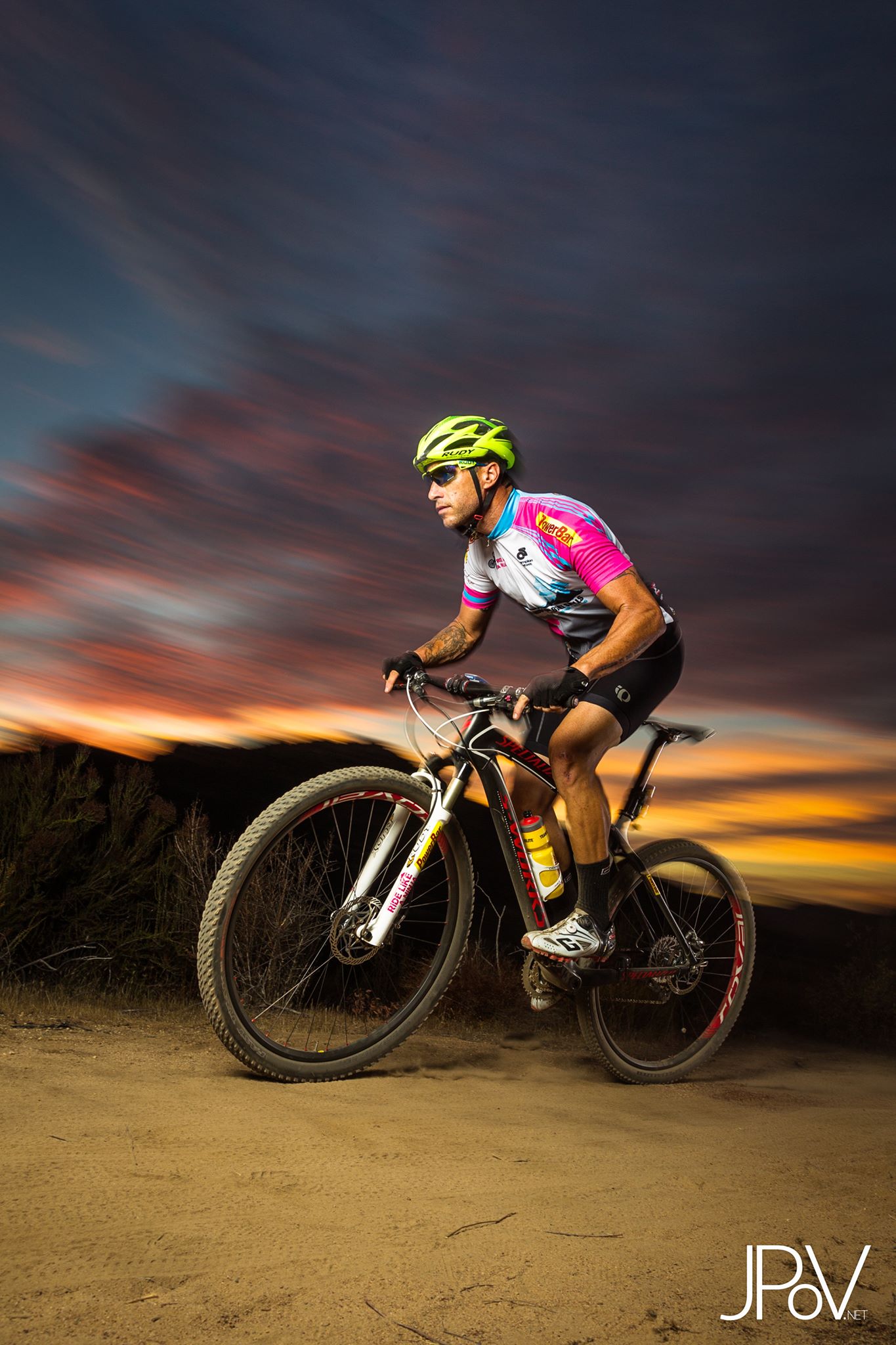
Richard works with beginner to pro mountain bike racers as well as non-competitive recreational riders seeking to become their best.
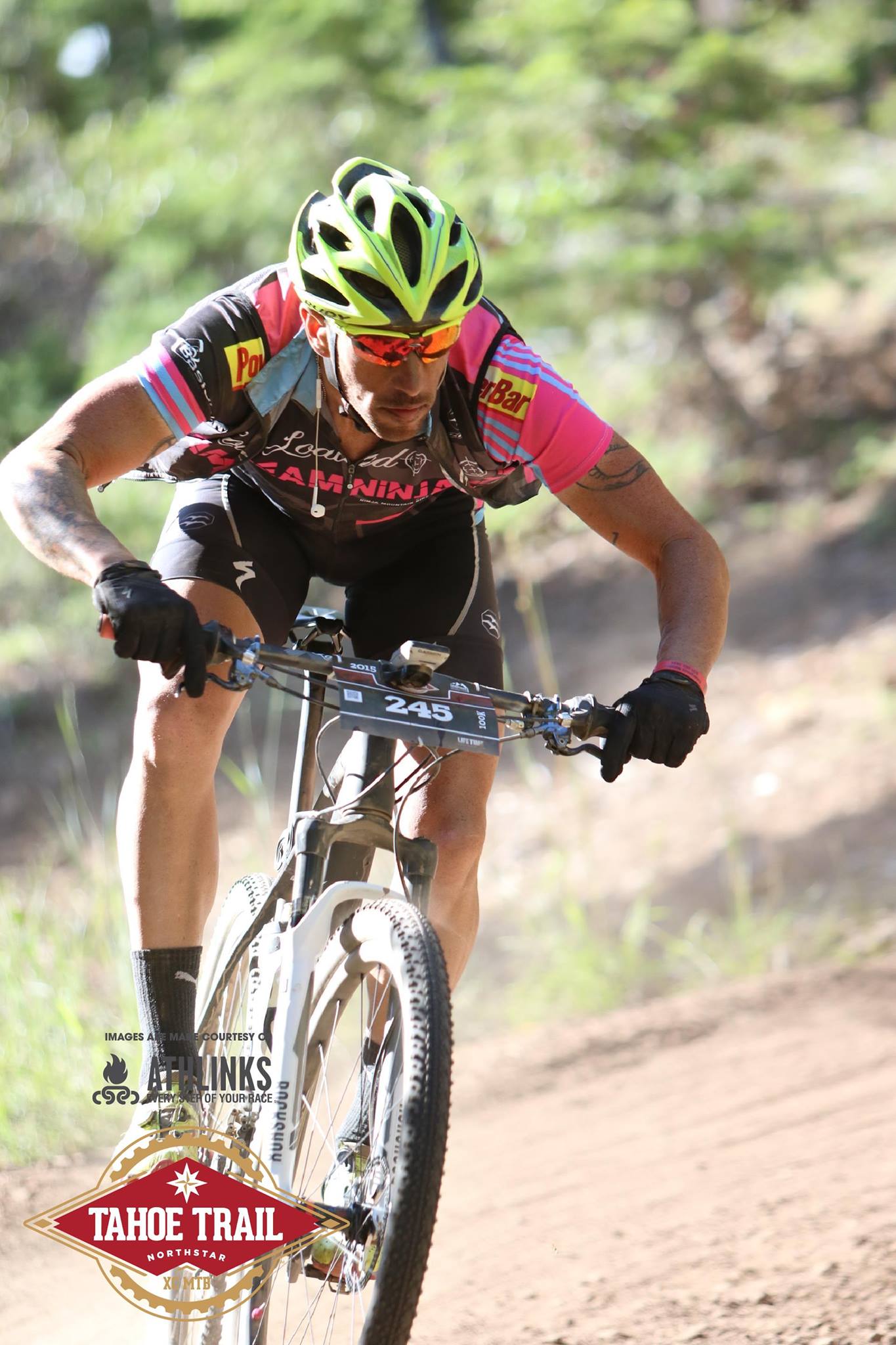
Tahoe 100 2015He is great coach for a mountain biker looking to improve their skills and fitness. Richard has been racing mountain bikes for the last 24 years.
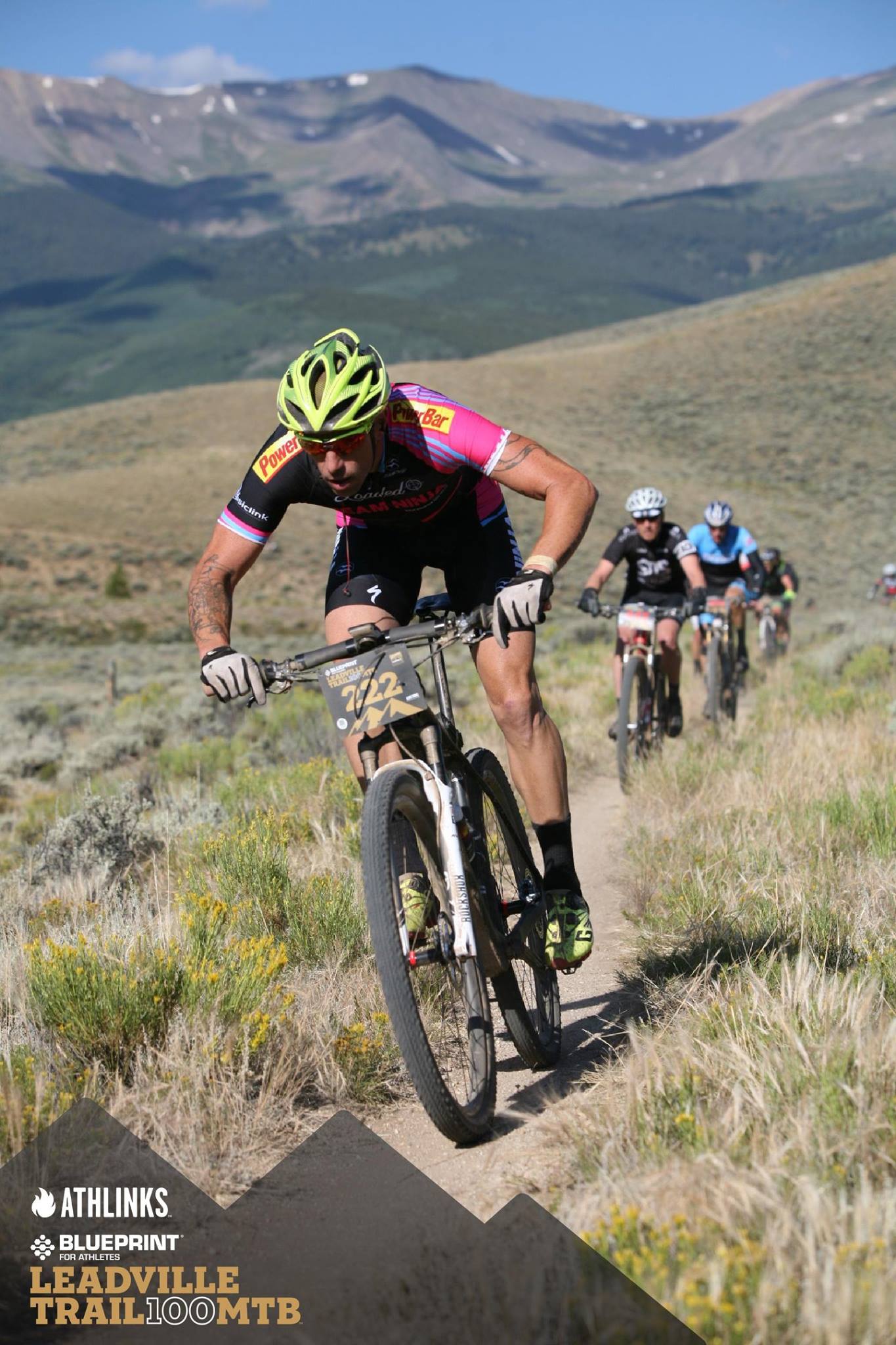
Leadville 100 2015Richard’s experience on the mountain bike, his race results, as well as his dedication and understanding of training principles and riding skills, show that he knows what it takes to help you achieve your cycling goals. When Richard isn’t coaching, training or racing, he loves to spend time with his kids, fly airplanes / helicopters, listen to live music and play his guitar.
2,000+ 5 Star Reviews
Enrolling in the Intermediate/Advanced clinic was the best thing I’ve ever done to improve my speed and ability on the bike.
Just finished a two day skills workshop in Dallas. To say it was the best money I've ever spent on mountain biking would be an understatement. Our instructor was a wonderful teacher and just a real pleasure to be around kind of guy. I highly recommend Ninja for anyone from novice to advanced riders as they cover just about anything and everything that will make you a more rounded rider. Thanks so much for all the advice and coaching!
Great clinic. Just what I needed to better know how to handle situations on the trail to maintain speed/momentum and...
Overall, the camp exceeded my expectations. I have, like many cyclists, been riding bikes since childhood. Feeling like I hit a plateau in my technical riding...
That was time well spent – thanks Coach Richard! That was time well spent – thanks Coach Richard! If you do more clinics, I’d recommend them to my friends.
Well worth your time if you want to improve! We attended the 2-Day Mountain Bike Skills Camp in Denver CO. I'm a beginner to mountain biking and the class exceeded my expectations. The first day was basic fundamental training from bunny hops to cornering your bike. The second day we put those skills to the test by climbing and downhill at all different skill levels, Richard and Aaron even took video to help improve our skills. Well worth your time if you want to improve!
Best investment ever. The Ninja mountain bike skill clinics will definitely bring up your riding level a notch or two.
Highly recommended! Essential riding skills are thoroughly broken down making them easy to understand and learn. Coach Richard and Kris are some of the most professional and pleasant coaches/cyclist/people I have come across. Looking forward to one of their future clinics.
MTB SKILLS TIPS
We’re a passionate, dirt-loving community of world-class instructors and riders of all ability levels that love to share the stoke of mountain biking through weekly tips + exclusive deals. Let’s Ride!
I’d like to be notified when new events are added.
Your Privacy is Protected. We will never sell or share your information.
The specific skills taught in this clinic will depend on available trail features and will vary between locations. Skills covered may include:
*Clinic schedule and skills covered may vary according to location and terrain.

The specific skills taught in this clinic will depend on available trail features and will vary between locations. Skills covered may include:
*Clinic schedule and skills covered may vary according to location and terrain.

Some of the skills taught and practiced in the Kids Fundamentals Clinic may include:
Clinic schedule, time and skills covered may vary according to location and terrain.
Day 1 (Saturday)
Day 2 (Sunday)
*Clinic schedule and skills covered may vary according to location and terrain.
After camp, you will see an immediate improvement in your riding and a boost in confidence on technical trails. You will be able to tackle rougher terrain and corners with greater control and flow through singletrack, switchbacks, and berms with more speed and efficiency.
Some of the skills taught and practiced in the Jumping Mini-Clinic may include:
Please note, clinics may vary according to location and terrain.
*Clinic schedule and skills covered may vary according to location and terrain.
Some of the skills taught and practiced in the Intermediate/Advanced clinic may include:
*Clinic schedule and skills covered may vary according to location and terrain.
The specific skills taught in this clinic will depend on available trail features and will vary between locations. Skills covered may include:
*Clinic schedule and skills covered may vary according to location and terrain.
The specific skills taught in this clinic will depend on available trail features and will vary between locations. Skills covered may include:
*Clinic schedule and skills covered may vary according to location and terrain.

Some of the skills taught and practiced in the Women’s Only Fundamentals Clinic may include:
*Clinic schedule and skills covered may vary according to location and terrain.
Some of the skills taught and practiced in the Fundamentals Clinic may include:
*Clinic schedule and skills covered may vary according to location and terrain.

IF YOU SIGN UP FOR A MTB SKILLS CLINIC TODAY!
Enter your email below to get your limited time coupon code (valid for 48 hours).
Valid on all Skills Camps and Clinics. Your Privacy is Protected.
USE THIS CODE TO SIGN UP TODAY!
CHECKOUT4XY2
*Limited time offer. Valid for 48 hours on any upcoming MTB skills clinic or camp.